
The VR Stage: Live Concerts and Shows Reimagined
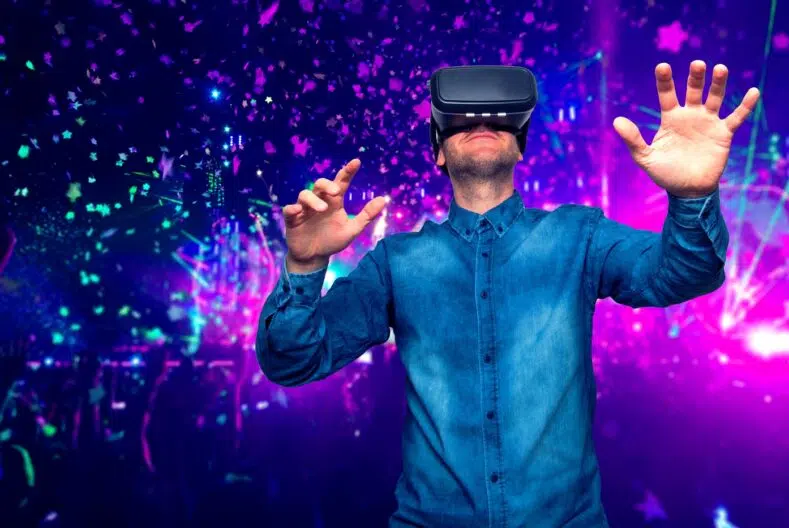
Through immersive environments, VR allows users to engage with digital spaces in ways that were once impossible. People can now interact with 3D content in real time, explore detailed virtual landscapes, and participate in simulated experiences that mimic real-world scenarios, creating entirely new modes of learning, entertainment, and communication.
With ongoing innovations, virtual reality is set to revolutionize countless aspects of our daily lives. From virtual shopping and remote therapy to immersive gaming and online events, VR is redefining what it means to be present and engaged in the digital realm, offering endless possibilities for convenience and creativity.
Challenges remain, including accessibility, cost, and ensuring inclusivity in virtual spaces. Many users still face barriers such as expensive hardware, lack of internet infrastructure, and poorly optimized content for individuals with disabilities. Overcoming these obstacles is essential for VR to fulfill its potential as a truly inclusive medium.
Virtual reality is reshaping how we experience the world, from entertainment to education and beyond. It enables people to tour museums from home, attend virtual classrooms with real-time interaction, and step into cinematic worlds that respond to their movements—blurring the lines between spectator and participant.
As technology matures, we expect even more intuitive and integrated VR experiences across industries. Advances in eye tracking, voice recognition, and haptic feedback are paving the way for interfaces that feel natural and responsive, enabling users to navigate complex tasks and environments with minimal friction.
Healthcare professionals are turning to VR for training, diagnostics, and therapy. Surgeons can rehearse procedures in lifelike simulations, patients with phobias can undergo exposure therapy in controlled environments, and rehabilitation programs are using VR to enhance physical and cognitive recovery.
The intersection of VR and artificial intelligence is giving rise to dynamic virtual assistants and environments that evolve based on user behavior. These intelligent systems can personalize learning experiences, adapt difficulty levels in games, or guide users through complex workflows with contextual awareness.


