
Gaming Beyond Imagination: The Evolution of VR Worlds
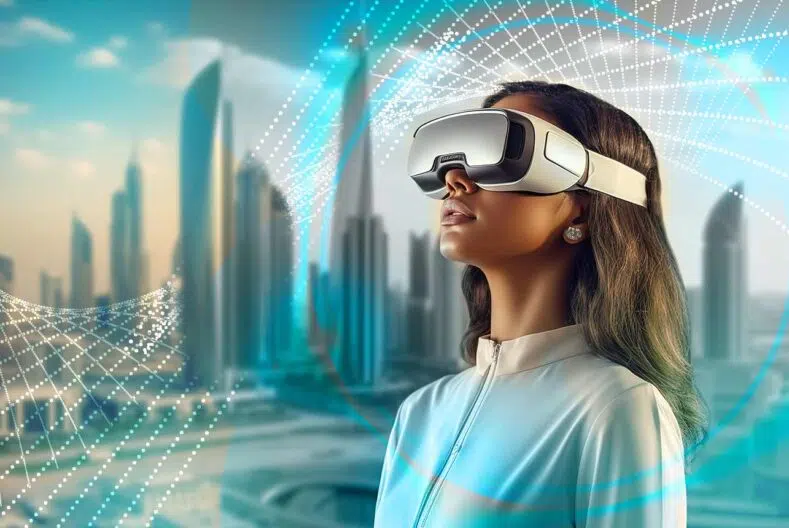
Industries are adopting VR to improve communication, streamline workflows, and enhance user experience. From remote collaboration in architecture and engineering to immersive training in healthcare and aviation, VR is transforming how professionals approach complex tasks. By simulating real-world scenarios in a controlled digital space, organizations can reduce costs, improve safety, and increase efficiency across the board.
Challenges remain, including accessibility, cost, and ensuring inclusivity in virtual spaces. While the technology holds immense potential, many individuals and communities still lack access to VR hardware or high-speed internet. Developers and companies must prioritize user-friendly interfaces, cross-device compatibility, and accessibility features to avoid creating new digital divides and ensure broad participation in virtual environments.
Through immersive environments, VR allows users to engage with digital spaces in ways that were once impossible. Whether exploring ancient ruins, attending virtual conferences, or rehearsing surgical procedures, users benefit from deep levels of engagement and realism. These environments provide sensory-rich experiences that boost learning, emotional connection, and task comprehension far beyond traditional screens or paper-based methods.
With ongoing innovations, virtual reality is set to revolutionize countless aspects of our daily lives. From personalized educational paths to virtual storefronts where customers can try products before buying, the impact of VR spans nearly every industry. As devices become lighter, wireless, and more affordable, the boundaries between physical and virtual realms will continue to blur, shaping how we live, work, and play.
As technology matures, we expect even more intuitive and integrated VR experiences across industries. Advances in artificial intelligence, haptic feedback, and spatial computing will allow users to interact naturally with digital environments, making VR more immersive and accessible. This evolution will pave the way for smarter applications that anticipate user needs, learn behaviors, and respond in real time with remarkable accuracy.
In addition to professional and educational use, VR is carving a strong path into the realm of mental health and personal development. Guided meditation in scenic digital landscapes, exposure therapy in safe virtual contexts, and social simulations for people with anxiety are all being explored. These applications reveal the human-centered potential of VR to promote well-being and psychological growth.
Looking ahead, the merging of VR with other technologies like augmented reality (AR), blockchain, and spatial audio promises to create rich, persistent virtual worlds. These interconnected experiences, often referred to as the metaverse, may soon host digital economies, personalized avatars, and decentralized governance systems—signaling a new era of immersive digital life.


