
Level Up Learning: VR in Interactive Classrooms
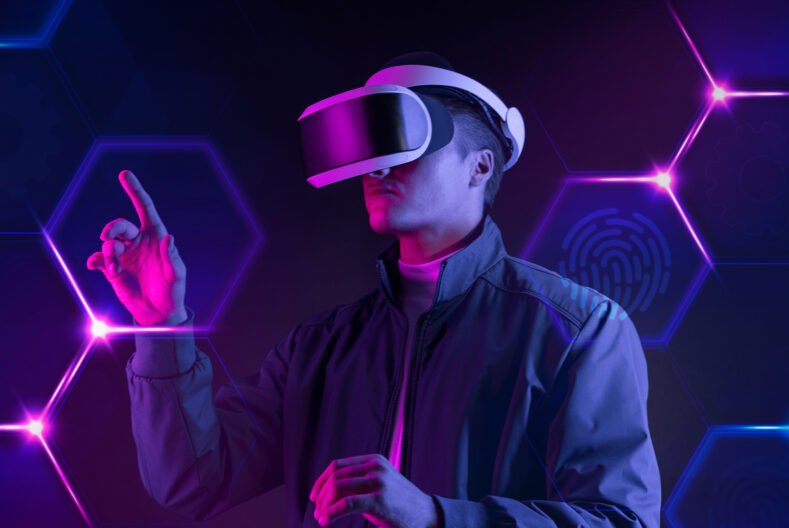
Industries are adopting VR to improve communication, streamline workflows, and enhance user experience. From virtual meetings and training simulations to product prototyping and real-time collaboration, VR is transforming the way businesses operate, communicate, and innovate across sectors such as manufacturing, healthcare, and architecture.
With ongoing innovations, virtual reality is set to revolutionize countless aspects of our daily lives. As headsets become lighter, graphics more realistic, and platforms more accessible, VR is poised to integrate into areas like social networking, remote work, therapy, and even virtual tourism, changing how we interact with the world and each other.
Challenges remain, including accessibility, cost, and ensuring inclusivity in virtual spaces. Not all users have access to high-end equipment, and many virtual experiences lack consideration for users with disabilities or differing cultural backgrounds. Solving these problems is crucial for making VR a universally beneficial technology.
As technology matures, we expect even more intuitive and integrated VR experiences across industries. Future platforms may offer seamless cross-device connectivity, natural user interfaces like eye tracking and hand gestures, and adaptive content that responds to real-time user input for a more immersive and efficient experience.
Through immersive environments, VR allows users to engage with digital spaces in ways that were once impossible. Whether it’s navigating a digital twin of a factory or exploring a remote landscape recreated in 3D, users can now interact with virtual worlds in deeply realistic and meaningful ways that transcend passive observation.
Education is one of the sectors most transformed by VR, allowing students to participate in historical reenactments, explore anatomy in 3D, or conduct virtual lab experiments. This hands-on learning approach improves comprehension, retention, and accessibility for diverse learning styles.
The convergence of VR with biometric sensors and artificial intelligence will soon enable personalized virtual environments that adapt to the user’s mood, learning pace, or behavior. These adaptive systems have the potential to revolutionize not just entertainment or work—but human-computer interaction itself.


